


Online Library
Image Source:
Professional Organizations
for Youth Librarians
-
ALSC (Association for Library Service to Children)
-
For library professionals striving to provide stellar children's services
-
-
YALSA (Young Adult Library Services Association)
-
For library professionals striving to provide stellar teen services
-
Includes Professional Tools
-
-
ISTE (International Society for Technology in Education)
-
For educators using technology to revamp and revitalize student learning
-
Includes Learning Library
-
-
-
For integrating Universal Design for Learning (UDL) in schools and libraries
-
Includes Tips & Free Resources
-
-
Elgin Partnership for Early Learning
-
A favorite local resource of mine! Great for early literacy.
-

Image Source:
Intellectual Freedom
Resources
-
ALSC's Intellectual Freedom Programming Toolkit [PDF]
-
Explores supporting intellectual freedom in different types of children's programs, such as storytimes, book clubs, STEAM, and Outreach
-
-
ALA's Office for Intellectual Freedom
-
Educates library professionals and the public about intellectual freedom in libraries
-
-
National Coalition Against Censorship (NCAC) Book Censorship Action Toolkit [PDF]
-
Empowers families and libraries to combat censorship
-
-
Jason Reynolds Named Honorary Chair of Banned Books Week 2021 [YouTube video]
-
Author Jason Reynolds discusses Banned Books Week with the theme "Books unite us. Censorship divides us."
-
-
Censorship by the Numbers [PDF]
-
Features infographics on book challenges and the top ten most challenged books
-

Image Source:
Collection Development:
Building Diverse Collections
-
-
Advocates for publishers to publish diverse books and helps libraries find diverse books
-
Includes Diverse Book Resource List
-
Includes Resources for Race, Equity, Anti-Racism, and Inclusion
-
-
-
-
El día de los niños/El día de los libros (Children's Day/Book Day) celebrates diverse books and culturally diverse readers
-
Includes 2023 Día Reading Lists organized by grade range
-
-
-
-
Tech tool used for library and school reading programs (and many other programs that gamify learning)
-
Promotes diversity programs with Custom Reading Challenges, such as Pride 365 and Black History Month
-
-
-
Search for books by who's represented and how they're represented
-
See who's represented in your library collection with CAT (Collection Analysis Tool)
-
- NoveList
- This database helps library professionals find books for collections and readers' advisory
- See their Diverse Reads Blog to learn how NoveList is integrating inclusion
- For example, Announcing new character appeal: Neurodivergent
- This database helps library professionals find books for collections and readers' advisory

Image Source:
Five Fantastic Articles
I'd Recommend Reading
-
Picture Book Creators Center Joy While Portraying Disability
by Margaret Kingsbury-
Explores disability rep in children's literature, including the portrayal of joy
-
-
Visitors & Residents
by David White-
Explores the concept of visitors and residents with technology use. It's terrifically fun to investigate where you fall on the spectrum of being a visitor or resident
-
-
Active Learning
by University of Minnesota's Center for Educational Innovation-
Explores examples of active learning in the classroom, including infographics that demonstrate the spectrum and structure of active learning
-
-
The difference between Universal Design for Learning (UDL) and traditional education
-
Examines the differences between UDL and traditional education, showcasing how UDL provides unique learning opportunities that traditional education misses out on
-
-
Edtech’s Hottest Topics for 2023
by ISTE-
Explores 8 Hot Topics in the field of Ed Tech, including the trend of Gamifying and Learning that I explored in my Beanstack Tech Tutorial [YouTube video]
-
Print Library

From Cover to Cover
Evaluating and Reviewing Children's Books
by Kathleen T. Horning
Whether you're a seasoned book reviewer or brand new to writing reviews, this book teaches you how to write professional reviews for children's literature.
Image Source: amazon.com


Picture This: How Pictures Work
by Molly Bang
Picture books are a staple of library collections and storytimes. Have you ever wondered how art works its magic? Molly Bang explores how illustrators use color, shape, size, and more to tell riveting stories through art.
Image Source: amazon.com

Banned Books for Kids
Reading Lists and Activities for Teaching Kids to Read Censored Literature
by Pat Scales
As book challenges skyrocket, how can we discuss banned books with kids? This book not only starts that conversation, but also provides activities for reading and discussing banned books.
Image Source: amazon.com

The Educator's Guide to LGBT+ Inclusion
by Kryss Shane
A must-read for children's librarians, school librarians, and teachers. This guide provides educators a thorough exploration of how schools can best support LGBTQ+ youth, so kids can thrive as learners and schools can thrive as safe spaces.
Image Source: amazon.com

LGBTQIA+ Books for Children and Teens (Second Edition)
by Kathleen Breitenbach & Liz Deskins
For library professionals developing LGBTQ+ inclusive youth collections, this book is for you! In addition to showcasing LGBTQ+ children's literature, this book discusses the censorship of this literature, demonstrating why to include and how to best include LGBTQ+ literature.
Image Source: amazon.com
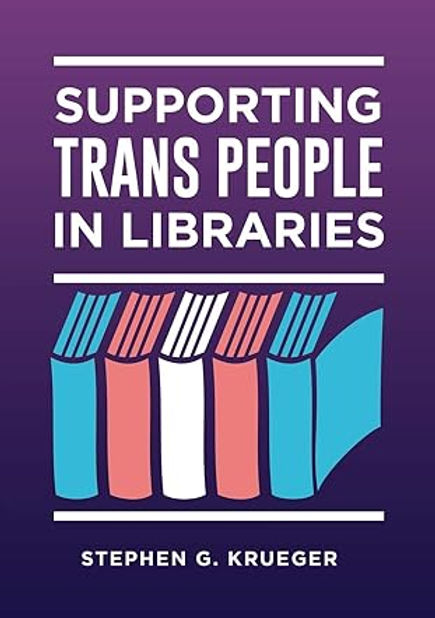
Supporting Trans People in Libraries
by Stephen G. Krueger
Transgender patrons face unique barriers in libraries. Stephen G. Krueger discusses best practices for meeting the nuanced needs of transgender patrons and transgender staff in library spaces, programs, and services.
Image Source: amazon.com

Exploring Inclusive & Equitable Pedagogies: Creating Space for All Learners (2 Volume Series)
by Melissa N. Mallon, Jane Nichols, Elizabeth Foster, Ariana Santiago, Maura Seale, & Robin Brown (editors)
This two-volume series explores a variety of DEI topics, such as accessibility, cultural competence, and Universal Design for Learning. This series can empower librarians to make their library a truly safe space for all learners.
Image Source: amazon.com

Library Programming for Autistic Children and Teens (2nd Edition)
by Amelia Anderson
This programming guide provides guidelines and resources for libraries to serve often underserved autistic children and teens. In addition to discussing best practices for programs, such as storytimes and library visits, this guide provides examples of programs offered at libraries. A fantastic resource for welcoming autistic patrons to public and school libraries.
Image Source: amazon.com

Serving Patrons with Disabilities
Perspectives and Insights from People with Disabilities
by Kodi Laskin (editor)
This guide explores how libraries can best serve patrons with disabilities, such as vision, hearing, mobility, and learning disabilities. With a topic as expansive as accessibility, this guide presents this topic in a way that empowers libraries to truly make their spaces and programs accessible to all.
Image Source: amazon.com

